
Did you know that coffee can do more than just wake you up in the morning? It turns out that your favorite cup of joe might play a role in achieving a flatter lower belly. I stumbled upon this concept while researching ways to enhance my own wellness routine, and I was surprised by the number of recipes that not only taste great but also pack some potential health benefits.
In this article, I’ll share five delicious coffee recipes that can support your journey to a flatter lower belly. Let’s dive in!
Contents
1. Coffee with Cinnamon and Turmeric
Why It Works
Cinnamon and turmeric are both known for their anti-inflammatory properties. Inflammation can lead to bloating and weight gain, especially around the belly area. Adding these spices to your coffee not only enhances the flavor but may also help reduce inflammation.
Recipe
Ingredients:
- 1 cup brewed coffee
- 1/4 teaspoon cinnamon
- 1/4 teaspoon turmeric
- 1 teaspoon honey (optional)
- A splash of milk or non-dairy alternative (optional)
Instructions:
- Brew your favorite coffee.
- In a separate cup, mix the cinnamon and turmeric.
- Pour the hot coffee over the spices and stir well.
- Add honey and milk if desired.
Pros and Cons
Pros:
- Anti-inflammatory benefits
- Adds a unique flavor
- Easy to make
Cons:
- Some may find the taste of turmeric overpowering.
- Too much turmeric can lead to digestive issues for some people.
Personal Note
I’ve tried this recipe on chilly mornings, and the warmth of the spices just feels comforting. Plus, knowing there’s a health boost makes it even better!
2. Iced Coffee with Lemon and Ginger
Why It Works
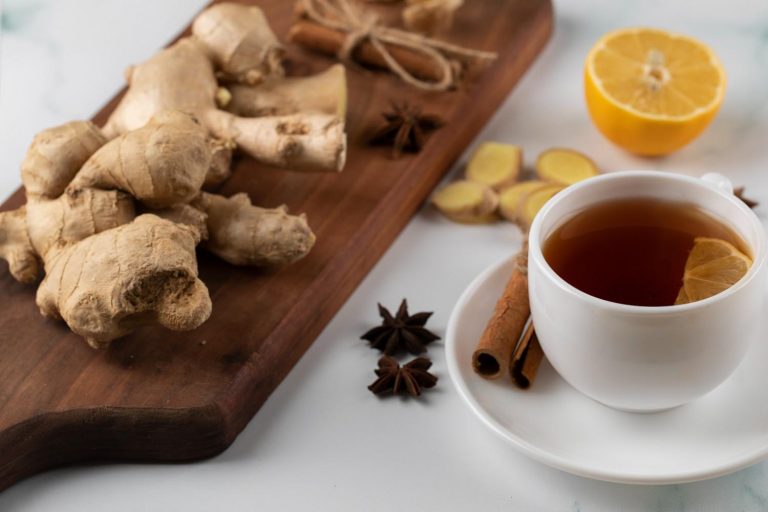
Lemon is packed with vitamin C and can help with digestion, while ginger is known for its ability to reduce bloating. This refreshing iced coffee recipe is perfect for hot days and supports a flatter belly.
Recipe
Ingredients:
- 1 cup brewed coffee (cooled)
- Juice of 1/2 lemon
- 1 teaspoon grated fresh ginger
- Ice cubes
- Sweetener of choice (optional)
Instructions:
- Brew your coffee and let it cool.
- In a glass, combine the coffee, lemon juice, and ginger.
- Add ice cubes and stir well.
- Sweeten if desired.
Pros and Cons
Pros:
- Refreshing and hydrating
- Rich in antioxidants
- Aids digestion
Cons:
- Not everyone enjoys the combination of coffee and citrus.
- Ginger can be strong; adjust to taste.
Personal Note
This drink has become my go-to on summer afternoons. The zing from the lemon and ginger is so invigorating!
3. Coffee Smoothie with Spinach and Avocado
Why It Works
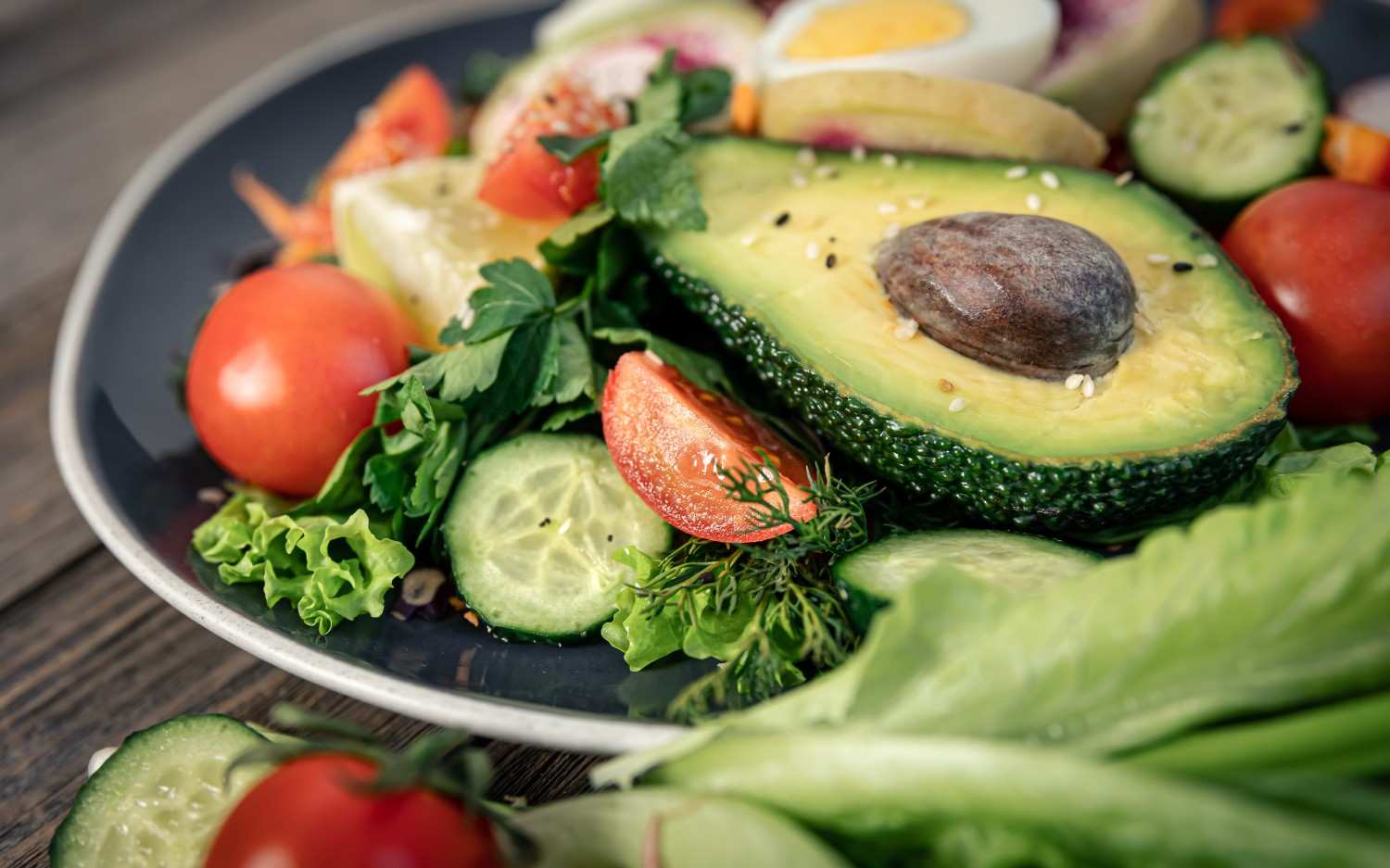
If you’re looking for a more filling option, a coffee smoothie can be a great choice. Spinach is low in calories but high in nutrients, and avocados are rich in healthy fats that keep you satiated.
Recipe
Ingredients:
- 1 cup brewed coffee (cooled)
- 1/2 ripe avocado
- 1 cup fresh spinach
- 1 banana
- 1 tablespoon honey or maple syrup (optional)
- Ice cubes
Instructions:
- Combine all ingredients in a blender.
- Blend until smooth, adding ice for a thicker consistency.
- Pour into a glass and enjoy!
Pros and Cons
Pros:
- Nutrient-dense and filling
- Easy to customize with other fruits
- Great for breakfast or a snack
Cons:
- Requires a blender
- The flavor can be unusual for some at first.
Personal Note
I was skeptical about adding coffee to a smoothie, but it’s surprisingly delicious! The avocado gives it a creamy texture that I just love.
4. Coffee with Coconut Oil
Why It Works
Coconut oil contains medium-chain triglycerides (MCTs), which may help with fat loss. This recipe is popular in the keto community and can provide a boost of energy while keeping you full.
Recipe
Ingredients:
- 1 cup brewed coffee
- 1 tablespoon coconut oil
- Sweetener of choice (optional)
Instructions:
- Brew your coffee.
- Add coconut oil to the coffee.
- Blend until frothy (you can also use a whisk if you don’t have a blender).
- Sweeten if desired.
Pros and Cons
Pros:
- Provides sustained energy
- Can help with satiety
- Simple and quick to make
Cons:
- High in calories, so portion control is key.
- Not everyone enjoys the taste of coconut.
Personal Note
I love how this coffee feels like a little treat. The frothiness makes it feel indulgent without being over the top!
5. Bulletproof Coffee
Why It Works
Bulletproof coffee combines coffee with butter and MCT oil, creating a creamy drink that’s low in carbs and high in healthy fats. It’s designed to keep you full longer and may help with weight management.
Recipe
Ingredients:
- 1 cup brewed coffee
- 1 tablespoon unsalted grass-fed butter
- 1 tablespoon MCT oil
Instructions:
- Brew your coffee.
- In a blender, combine the coffee, butter, and MCT oil.
- Blend until frothy and creamy.
Pros and Cons
Pros:
- Keeps you full for hours
- Good for those following a low-carb diet
- Easy to make
Cons:
- High in calories
- Not suitable for those who are lactose intolerant unless using ghee.
Personal Note
I’ve found that this coffee keeps me energized and focused during busy mornings. It’s a game changer!
FAQs
Q1: Can coffee really help with a flatter belly?
A1: While coffee itself isn’t a miracle solution, its potential benefits come from its ability to boost metabolism and reduce inflammation, especially when combined with certain ingredients.
Q2: How often can I drink these coffee recipes?
A2: Moderation is key. Enjoy these recipes as part of a balanced diet, but be cautious about overconsumption of caffeine.
Q3: Are there any side effects to these coffee recipes?
A3: Some people may experience digestive issues from certain ingredients like turmeric or ginger. Always listen to your body.
Q4: Can I substitute ingredients in these recipes?
A4: Absolutely! Feel free to customize based on your taste preferences or dietary restrictions.
Conclusion
Incorporating these coffee recipes into your daily routine can not only satisfy your caffeine cravings but also support your journey toward a flatter lower belly. While coffee alone isn’t a magic solution, the right ingredients can make a difference.
Remember, wellness is a journey, and every little change counts. So why not start your day with a delicious cup of coffee that’s also good for you?
This article is for educational purposes only and is not a substitute for professional medical advice. Always consult a qualified healthcare provider before making changes to your health routine.
References
-
Zaveri, N. T. (2006). “Curcumin and its Role in Inflammation.” Journal of Inflammation, 3(1). https://doi.org/10.1186/1476-9255-3-1
-
Sweeney, G. (2020). “Coconut oil and health: A review.” Nutrition Reviews, 78(10), 837-847. https://doi.org/10.1093/nutrit/nuz060
-
Harvard Health Publishing. (2021). “The health benefits of coffee.” https://www.health.harvard.edu/staying-healthy/the-health-benefits-of-coffee
Get Your FREE Natural Health Guide!
Subscribe now and receive our exclusive ebook packed with natural health tips, practical wellness advice, and easy lifestyle changes, delivered straight to your inbox.