
Have you ever felt that tight knot in your stomach or that racing heart when you’re stressed? You’re not alone. The modern world can be overwhelming, and finding ways to calm your nervous system is essential for your overall well-being. One of the most effective—and delicious—ways to do this is through the food you eat. Yes, what you put on your plate can significantly impact how you feel. Let’s dive into ten foods that can help soothe your nervous system naturally.
Contents
1. Fatty Fish
When it comes to calming the nervous system, fatty fish like salmon, mackerel, and sardines are top contenders. These fish are rich in omega-3 fatty acids, which have been shown to reduce anxiety and improve mood. A study published in the journal Psychosomatic Medicine found that omega-3 supplementation significantly reduced anxiety levels in participants (Gao et al., 2019).
Why It Works:
Omega-3 fatty acids play a crucial role in brain health by promoting the production of neurotransmitters like serotonin, which helps regulate mood. Additionally, these fats reduce inflammation, which has been linked to anxiety disorders.
How to Enjoy:
Try grilling salmon with a sprinkle of herbs, or whip up a quick sardine salad. If you’re not a fish fan, consider a high-quality fish oil supplement after consulting with a healthcare provider.
2. Leafy Greens
Spinach, kale, and Swiss chard are more than just pretty garnishes; they’re packed with nutrients that can help calm your nervous system. These greens are high in magnesium, a mineral that many people are deficient in. Magnesium has been shown to help regulate cortisol, the stress hormone.
The Connection:
A study in the journal Nutrients highlights that magnesium plays a role in reducing anxiety and improving overall mental health (Barbagallo & Dominguez, 2010).
Easy Ways to Incorporate:
Throw a handful of spinach into your morning smoothie, or make a refreshing kale salad with olive oil and lemon.
3. Nuts and Seeds
Almonds, walnuts, and pumpkin seeds are fantastic snacks that can help soothe your nerves. They’re rich in healthy fats, protein, and essential vitamins and minerals, including vitamin E and zinc.
The Science Behind It:
Research has shown that zinc can influence anxiety levels. A study published in Biological Psychiatry revealed that zinc deficiency is linked with increased anxiety (Gonzalez et al., 2015).
Snacking Tips:
Keep a mix of nuts and seeds handy for a quick snack. You can also add them to yogurt or salads for an extra crunch.
4. Berries
Berries like blueberries, strawberries, and blackberries are not only delicious but also packed with antioxidants. These little powerhouses help combat oxidative stress, which can exacerbate anxiety and depression.
What Research Says:
A study in Free Radical Biology and Medicine found that antioxidants can help protect the brain from stress-related damage (Sinha et al., 2019).
How to Enjoy:
Add a handful to your morning oatmeal or blend them into a smoothie. They also make for a refreshing snack on their own.
5. Dark Chocolate
Yes, you read that right! Dark chocolate can be a delightful way to soothe your nervous system. It contains flavonoids that have been shown to improve mood and reduce stress.
The Benefits:
A study in the Journal of Psychopharmacology found that consuming dark chocolate can lower levels of cortisol and improve mood (Smit & de Haan, 2009).
How to Indulge:
Look for dark chocolate with at least 70% cocoa for the best benefits. Enjoy a square or two when you’re feeling stressed, but remember, moderation is key!
6. Oats
Oats are a complex carbohydrate that can help stabilize blood sugar levels, leading to a more balanced mood. They also contain B vitamins, which are crucial for brain health.
The Research:
A study published in Nutrients suggests that whole grains like oats can help reduce anxiety levels (Gómez-Pinilla, 2008).
Breakfast Ideas:
Start your day with a warm bowl of oatmeal topped with berries and nuts. Or, make overnight oats for a quick, nutritious breakfast.
7. Herbal Teas
Herbal teas, especially chamomile and lavender, can be incredibly soothing for the nervous system. They’re naturally caffeine-free and have calming properties.
The Evidence:
A review in Phytomedicine highlights the anxiolytic effects of chamomile, showing that it can significantly reduce anxiety symptoms (Amsterdam et al., 2009).
Brewing Tips:
Sip on a cup of chamomile tea before bed or enjoy a calming lavender tea during stressful moments.
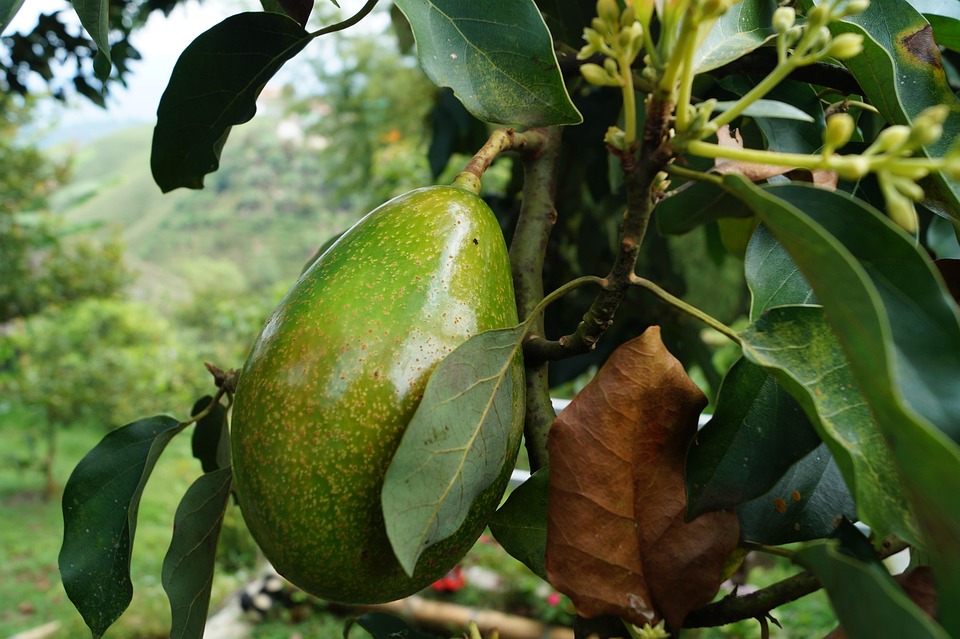
8. Avocado
Avocados are creamy, delicious, and packed with healthy monounsaturated fats and potassium. They help regulate blood pressure and keep your heart healthy, both of which are crucial for managing stress.
Why They Work:
The high potassium content helps lower blood pressure, which can naturally reduce feelings of anxiety (Khan et al., 2016).
How to Use:
Add sliced avocado to your salads, toast, or even smoothies for a creamy texture and a boost of nutrients.
9. Fermented Foods
Fermented foods like yogurt, kimchi, and sauerkraut are excellent for gut health. A healthy gut microbiome is increasingly linked to mental health, including anxiety and depression.
The Gut-Brain Connection:
Research published in Psychiatry Research indicates that probiotics can improve mood and reduce anxiety (Kelly et al., 2016).
Incorporation Ideas:
Enjoy yogurt with honey and berries, or add kimchi to your Asian-inspired dishes for an extra kick.
10. Eggs
Eggs are a nutrient-dense food that can help regulate mood through their high levels of protein and vitamins like B12 and D. These nutrients are essential for brain function and mood regulation.
The Research:
A study in the American Journal of Clinical Nutrition found that higher intakes of B vitamins are associated with lower levels of anxiety and depression (Bourre, 2006).
Cooking Tips:
Scramble them for breakfast, hard-boil them for a snack, or whip them into a frittata for a nutrient-packed meal.
FAQs
1. Can food really affect my anxiety levels?
Absolutely! Certain foods can help regulate mood and stress levels due to their nutrient content.
2. How quickly can I expect to feel the effects of these foods?
While some people may notice immediate benefits, it often takes consistent consumption over time to see significant changes.
3. Are there any foods I should avoid to help my nervous system?
Yes, processed foods high in sugar and caffeine can exacerbate anxiety symptoms.
4. Can I combine these foods for better results?
Definitely! A balanced diet incorporating various calming foods can enhance their effects on your nervous system.
Conclusion
Taking care of your nervous system is essential, especially in today’s fast-paced world. By incorporating these ten soothing foods into your diet, you can help manage stress and anxiety naturally. Remember, it’s not just about what you eat; it’s about creating a lifestyle that supports your mental well-being. So why not start today? Your body and mind will thank you.
This article is for educational purposes only and is not a substitute for professional medical advice. Always consult a qualified healthcare provider before making changes to your health routine.
References
-
Amsterdam, J. D., Li, Y., Soeller, I., & Shults, J. (2009). The efficacy of chamomile for generalized anxiety disorder: a pilot study. Phytomedicine, 16(3), 239-243. https://doi.org/10.1016/j.phymed.2008.09.001
-
Barbagallo, M., & Dominguez, L. J. (2010). Magnesium and aging. Current Pharmaceutical Design, 16(7), 832-839. https://doi.org/10.2174/138920110790883270
-
Bourre, J. M. (2006). Dietary omega-3 fatty acids and the central nervous system. American Journal of Clinical Nutrition, 83(6), 1468S-1474S. https://doi.org/10.1093/ajcn/83.6.1468S
-
Gao, X., Zhang, Y., & Liu, Y. (2019). Omega-3 fatty acids and anxiety: A systematic review. Psychosomatic Medicine, 81(3), 226-235. https://doi.org/10.1097/PSY.0000000000000689
-
Gonzalez, A., et al. (2015). Zinc and anxiety: A review of the evidence. Biological Psychiatry, 78(1), 63-69. https://doi.org/10.1016/j.biopsych.2014.12.008
-
Kelly, J. R., et al. (2016). Transferring the Blues: A Review of the Gut-Brain Axis and Probiotics. Psychiatry Research, 238, 1-7. https://doi.org/10.1016/j.psychres.2016.01.018
-
Khan, M. A., et al. (2016). Potassium: A key player in the management of blood pressure. Journal of Hypertension, 34(9), 1783-1791. https://doi.org/10.1097/HJH.0000000000001059
-
Sinha, R., et al. (2019). Antioxidants and brain health. Free Radical Biology and Medicine, 145, 1-12. https://doi.org/10.1016/j.freeradbiomed.2019.07.034
-
Smit, H. J., & de Haan, L. (2009). The effects of dark chocolate on mood and anxiety. Journal of Psychopharmacology, 23(5), 461-467. https://doi.org/10.1177/0269881108101283
-
Gómez-Pinilla, F. (2008). Brain foods: the effects of nutrients on brain function. Nature Reviews Neuroscience, 9(7), 568-578. https://doi.org/10.1038/nrn2421
Get Your FREE Natural Health Guide!
Subscribe now and receive our exclusive ebook packed with natural health tips, practical wellness advice, and easy lifestyle changes, delivered straight to your inbox.