Ever thought about how your gut feels after a big meal? Maybe you’ve had that bloated, sluggish feeling that makes you wish you’d opted for a salad instead of a heavy lasagna. You’re not alone. The gut plays a crucial role in our overall health, influencing everything from digestion to mood. So, what if I told you that some delicious foods could help keep your gut thriving? Let’s dive into ten tasty options that can naturally boost your gut health.

Contents
- 1. Yogurt: The Probiotic Superstar
- 2. Fermented Foods: A Flavorful Boost
- 3. Garlic: The Unsung Hero
- 4. Bananas: Nature’s Sweet Treat
- 5. Oats: A Breakfast Favorite
- 6. Apples: A Crunchy Delight
- 7. Berries: Tiny Powerhouses
- 8. Leafy Greens: The Nutrient Dense Choice
- 9. Nuts and Seeds: Crunchy Nutrition
- 10. Dark Chocolate: The Sweet Surprise
- FAQs
- Conclusion
- References
1. Yogurt: The Probiotic Superstar
Yogurt is often hailed as a gut health champion, and for good reason. Packed with probiotics—live bacteria that are beneficial for your digestive system—it helps maintain a healthy balance of gut flora.
Pros:
- Rich in Nutrients: Beyond probiotics, yogurt is also a good source of protein and calcium.
- Versatile: You can enjoy it plain, add fruits, or blend it into smoothies.
Cons:
- Sugar Content: Some flavored yogurts can be high in added sugars, which might counteract their benefits.
If you’re looking for a quick snack, grab a cup of Greek yogurt topped with fresh berries. Not only is it delicious, but it also gives your gut the good stuff it craves.
2. Fermented Foods: A Flavorful Boost
Think kimchi, sauerkraut, and kefir. These fermented foods are teeming with probiotics and can add a savory zing to your meals.
Pros:
- Diverse Options: From spicy kimchi to tangy sauerkraut, there’s a fermented food for every palate.
- High in Fiber: Many fermented foods are also rich in fiber, which is great for digestion.
Cons:
- Sodium Levels: Some fermented foods can be high in sodium, so moderation is key.
I remember trying homemade kimchi for the first time—it was a game changer! Not only did it add a delicious kick to my meal, but I felt fantastic afterward.
3. Garlic: The Unsung Hero
Garlic isn’t just for warding off vampires; it’s also a prebiotic powerhouse. Prebiotics are compounds that feed the good bacteria in your gut.
Pros:
- Rich in Allicin: This compound has been shown to have anti-inflammatory properties.
- Flavors Up Your Dishes: Garlic can enhance the taste of almost any savory dish.
Cons:
- Digestive Discomfort: Some people may experience bloating or gas when consuming garlic in large quantities.
Next time you’re cooking, don’t skimp on the garlic! Toss it into stir-fries or pasta dishes for an added health boost.
4. Bananas: Nature’s Sweet Treat
Bananas are not only a convenient snack but also a fantastic source of prebiotics. They help feed the beneficial bacteria in your gut.
Pros:
- Rich in Potassium: This mineral is essential for heart health and muscle function.
- Easily Digestible: Perfect for a quick energy boost.
Cons:
- Sugar Content: While natural, bananas still contain sugar, so moderation is important for those watching their intake.
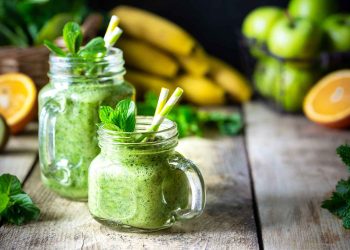
I love blending bananas into my morning smoothies. They add a creamy texture and natural sweetness that’s hard to beat.
5. Oats: A Breakfast Favorite
Oats are another excellent source of prebiotics. They contain beta-glucan, a type of soluble fiber that can help improve gut health.
Pros:
- Heart Health: Oats can help lower cholesterol levels.
- Filling and Satisfying: A bowl of oatmeal keeps you full for hours.
Cons:
- Gluten Sensitivity: While oats are naturally gluten-free, they can be contaminated with gluten during processing, so look for certified gluten-free options if necessary.
Try starting your day with a warm bowl of oatmeal topped with fruits and nuts. It’s a delicious way to kickstart your gut health!
6. Apples: A Crunchy Delight
“An apple a day keeps the doctor away,” right? Apples are not just a tasty snack; they also contain pectin, a type of fiber that acts as a prebiotic.
Pros:
- Rich in Antioxidants: Apples are packed with flavonoids and other antioxidants.
- Hydrating: They have high water content, which can help with hydration.
Cons:
- Pesticide Residue: It’s best to wash apples thoroughly or choose organic to reduce pesticide exposure.
I often keep a few apples in my bag for a quick, healthy snack. They’re crunchy, sweet, and incredibly satisfying.
7. Berries: Tiny Powerhouses
Berries like blueberries, strawberries, and raspberries are not just delicious; they’re also rich in antioxidants and fiber.
Pros:
- Anti-Inflammatory: Their high antioxidant content can help reduce inflammation in the body.
- Low in Calories: A great option for those watching their weight.
Cons:
- Perishability: Berries can spoil quickly, so they may require more frequent shopping trips.
I love tossing a handful of mixed berries into my yogurt or oatmeal. They add a burst of flavor and a wealth of nutrients.
8. Leafy Greens: The Nutrient Dense Choice
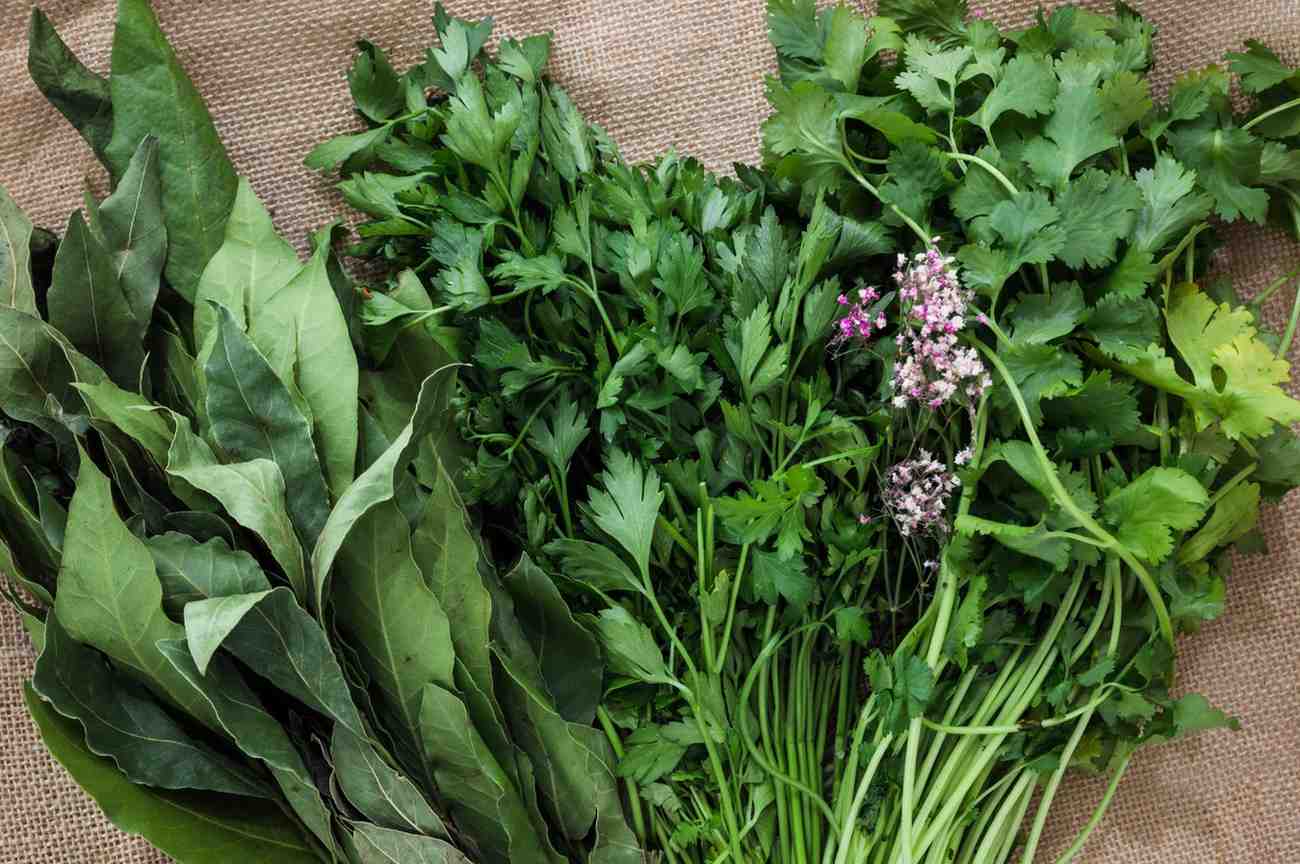
Spinach, kale, and other leafy greens are fantastic for gut health. They’re packed with fiber, vitamins, and minerals.
Pros:
- Nutrient-Rich: Loaded with essential vitamins and minerals.
- Versatile: Great in salads, smoothies, or as a cooked side dish.
Cons:
- Oxalates: Some greens contain oxalates, which can interfere with calcium absorption in large amounts.
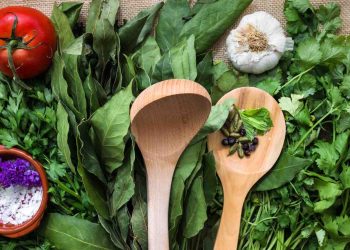
Incorporating a salad with a variety of greens into your meals not only boosts your gut health but also adds vibrant colors to your plate.
9. Nuts and Seeds: Crunchy Nutrition
Almonds, walnuts, chia seeds, and flaxseeds are not just great for snacking; they’re also high in fiber and healthy fats.
Pros:
- Heart Healthy: Rich in omega-3 fatty acids, especially flaxseeds and walnuts.
- Protein Boost: Nuts and seeds can help you feel fuller longer.
Cons:
- Caloric Density: Nuts are calorie-dense, so portion control is essential.
I often sprinkle chia seeds on my yogurt or oatmeal for an extra crunch and a nutrient boost. They’re tiny but mighty!
10. Dark Chocolate: The Sweet Surprise
Yes, you read that right! Dark chocolate, especially those with a high cocoa content, can be beneficial for gut health.
Pros:
- Rich in Antioxidants: Contains flavonoids that can promote gut health.
- Mood Booster: Can help improve mood and reduce stress.
Cons:
- Sugar Content: Look for varieties with at least 70% cocoa to minimize sugar intake.
I occasionally indulge in a square of dark chocolate after dinner. It’s a delightful treat that also brings some health benefits!
FAQs
1. How can I incorporate these foods into my diet?
Start by adding one or two of these foods to your meals each day. For example, have yogurt with berries for breakfast or a salad with leafy greens for lunch.
2. Are there any foods I should avoid for gut health?
Processed foods, excessive sugar, and high-fat meals can negatively impact gut health. Try to limit these in your diet.
3. Can I take probiotics instead of eating these foods?
While probiotics can be helpful, whole foods provide a variety of nutrients and benefits that supplements may not offer. It’s best to combine both.
4. How long does it take to see improvements in gut health?
Improvements can vary, but many people notice changes within a few weeks of incorporating gut-friendly foods into their diet.
Conclusion
Maintaining good gut health doesn’t have to be a chore. With these ten delicious foods, you can nourish your gut while enjoying a variety of flavors and textures. Whether you’re snacking on berries, stirring garlic into your meals, or indulging in dark chocolate, you’re making choices that benefit your body.
Remember, everyone’s gut is unique, so it might take some time to find what works best for you. As research continues to evolve, staying informed and experimenting with your diet can lead to a healthier, happier gut.
This article is for educational purposes only and is not a substitute for professional medical advice. Always consult a qualified healthcare provider before making changes to your health routine.
References
-
D’Argenio, G., & Salvatore, F. (2019). The Role of Diet in Gut Microbiota and Its Impact on Health. Nutrients, 11(3), 586. https://doi.org/10.3390/nu11030586
-
Slavin, J. (2013). Fiber and Prebiotics: Mechanisms and Health Benefits. Nutrients, 5(4), 1417-1435. https://doi.org/10.3390/nu5041417
-
Mayo Clinic. (2022). Probiotics: What They Are and How They Work. Retrieved from https://www.mayoclinic.org/healthy-lifestyle/nutrition-and-healthy-eating/expert-answers/probiotics/faq-20058543
-
Harvard Health Publishing. (2022). The Benefits of Fermented Foods. Retrieved from https://www.health.harvard.edu/staying-healthy/the-benefits-of-fermented-foods
-
Cleveland Clinic. (2021). The Health Benefits of Yogurt. Retrieved from https://health.clevelandclinic.org/the-health-benefits-of-yogurt/
Get Your FREE Natural Health Guide!
Subscribe now and receive our exclusive ebook packed with natural health tips, practical wellness advice, and easy lifestyle changes — delivered straight to your inbox.